

Why Most Commercial-to-Residential Conversions Fail in Ontario

Updated: Jul 15, 2025
Converting a COMMERCIAL into RESIDENTIAL?
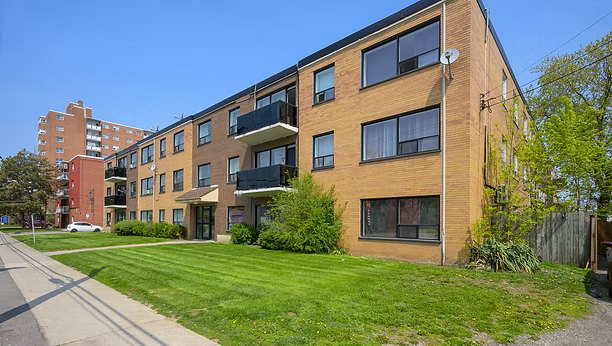
Zoning & Change-of-Use: Make sure your municipality allows residential use. Even if the area is zoned “mixed-use,” you’ll likely need a change-of-use permit or rezoning. Don’t assume it’s legal just because it looks okay at a glance.
We’ve seen cases where zoning technically allows residential units, but only above the commercial ground floor. In some municipalities, residential use may be allowed in the basement, but not on the ground floor at all. Always confirm the exact permissions before planning your layout.
Address zoning early to avoid mid-project shutdowns.
Fire & Egress Upgrades Switching from Group E (mercantile) to Group C (residential) triggers strict fire safety upgrades, including:
Fire separations (rated walls and floor assemblies)
Fire-rated stairwells
Sprinkler systems (mandatory for buildings 3 storeys or more)
A safe second exit for each floor
These fire protection requirements often add 20-30% to your overall construction cost. Plan ahead as if you’ll need to meet every one of these, skipping even one could lead to permit rejection or costly redesigns mid-project.
Plan your layout accordingly and verify your window-to-room ratios early.
Ceiling Heights & Windows Residential units typically require:
7-foot ceiling clearance MINIMUM
Egress windows in every bedroom
While many commercial buildings offer large storefront windows that easily meet natural lighting requirements, the challenge we often see is with the side yard limitations. If the building is ‘‘sandwich’’ between others, you may be unable to add new windows on the sides, restricting how many legal units you can create, especially for bedrooms that require their own egress. Skylights might be an option.
Know What You’re Inheriting:
Building Condition & Engineering Surprises. Before you rush to design or submit permits, understand the structure you’re converting. Many older commercial buildings were built to different standards - some have no insulation, outdated mechanicals, or unsupported spans that won’t meet today’s code.
Here’s what we often uncover on storefront or office conversions:
No existing footings or questionable structure supports.
HVAC systems not sized for residential use
Electrical panels without enough capacity
Exterior walls that need complete thermal upgrades
These aren’t just ‘‘nice-to-haves-’’ — they’re code compliance issues that can halt your project mid-way. This is where your designer and engineers come in early. A proper site review and zoning check can save you thousands in redesigns and unexpected construction costs.


Comments